WHAT IS SAHABAT-ID?

How can higher education become more inclusive, accessible, and empowering for disabled students and staff in Indonesia?

Sahabat-ID is a disability inclusion project focused on understanding the lived experiences of disabled students and staff in Indonesian higher education. The project brings together research, lived experience, and collaboration to explore the barriers, opportunities, and everyday realities of disability at the intersections of gender, culture, and education.


Through co-produced research, storytelling, training, and partnerships, SAHABAT ID aims to support universities in building more inclusive environments where disabled people are not only able to access education, but feel valued, heard, and able to thrive

TESTIMONIAL

“Disability is not something an individual overcomes. I’m still disabled. I’m still Deafblind. People with disabilities are successful when we develop alternative techniques and our communities choose inclusion.”

Haben Girma,
American disability rights advocate Quote of the day

Understanding the challenges better

Only around 2.8% of Indonesia’s 17.8 million working-age disabled people have completed higher education. Disabled women are also significantly more likely to experience discrimination in employment and career progression. These inequalities persist despite national legislation (Law No. 8/2016) that guarantees disability rights and inclusion in higher education.

While policies are in place, there is limited research exploring how disabled students and staff actually experience higher education in Indonesia, particularly at the intersections of disability, gender, and culture. This lack of lived-experience evidence creates a critical gap in understanding how universities can move from policy commitments to meaningful, inclusive practice.

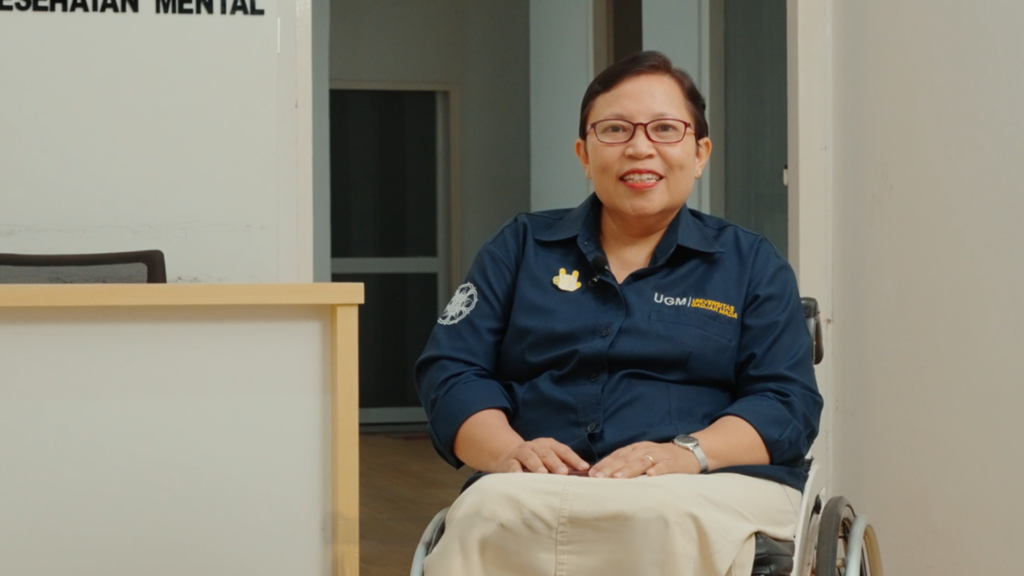
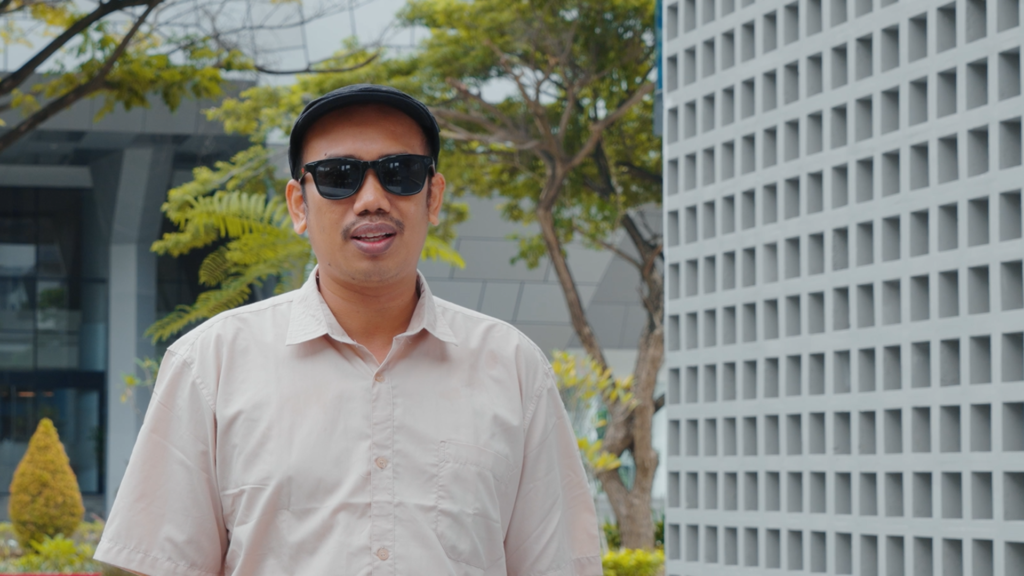
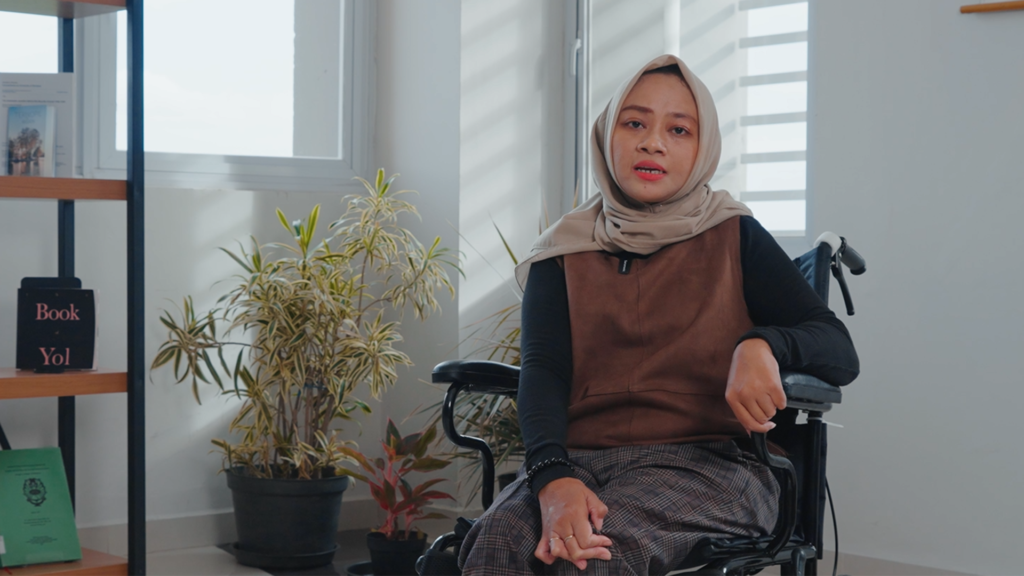
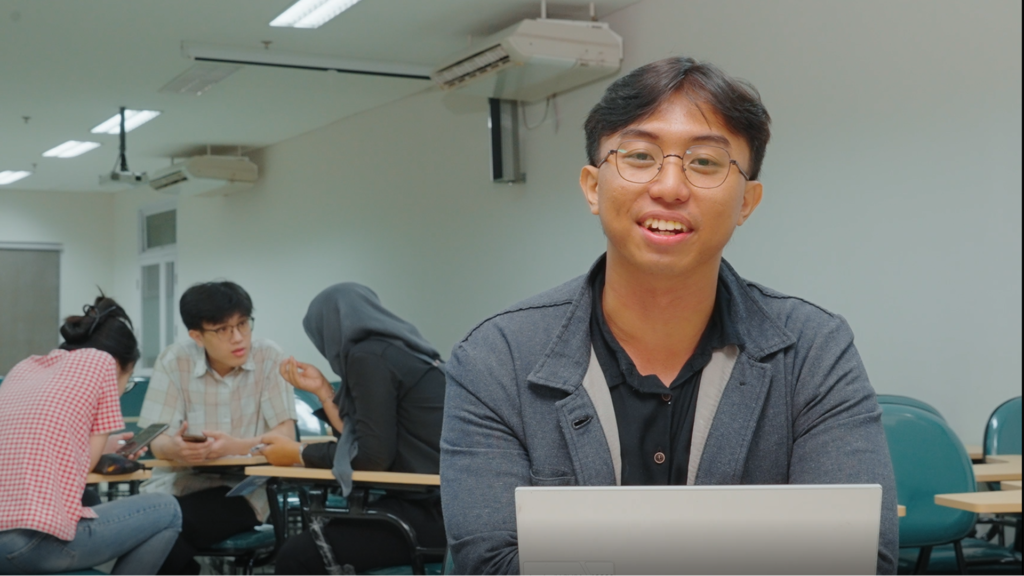
Our Role Models

OUR PROJECT

Students and staff with disabilities continue to face significant barriers in higher education, particularly in Indonesia where only 2.8% of working-age adults with disabilities have completed higher education, and women with disabilities face compounded discrimination. Our project responds to these inequalities by creating spaces of belonging, amplifying lived experiences, and developing practical tools for systemic change.

Project Aims

The aims of the project are to: 

Collaborate with Indonesian students and staff with disabilities to map their experiences of intersectional barriers (e.g., psycho-social and emotional impact; as well as socio-economic) in research in HE, enabling a comprehensive understanding of the challenges they face.
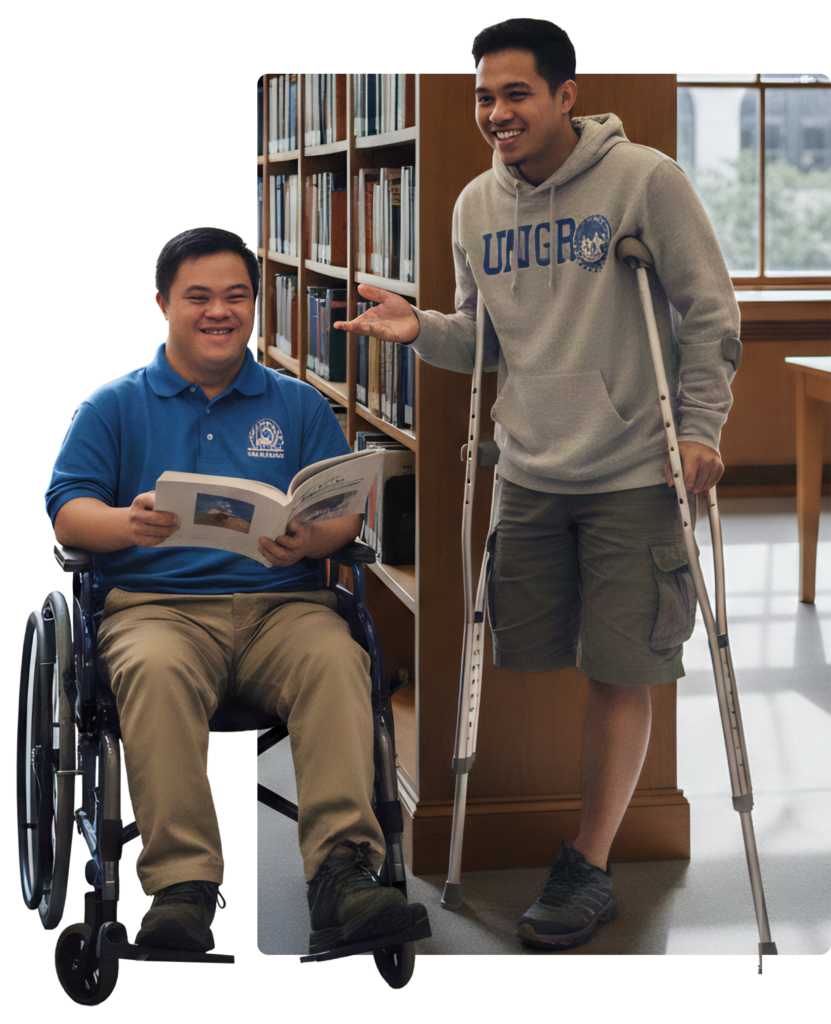
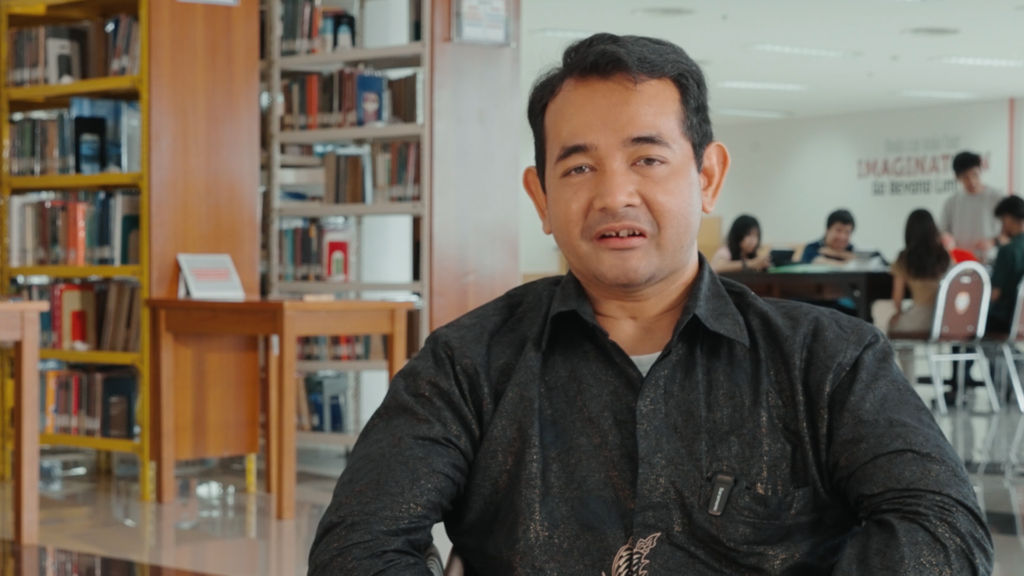
Building on the collaborative work, we will develop and showcase visual narratives based on lived experiences, providing evidence to facilitate transparent dialogues and increase awareness of the lived realities of individuals with disabilities in HE.

To co-produce toolkits and a training programme to provide relevant information for lecturers and staff as well as a workshop to empower students and staff with disabilities in Indonesia, fostering a supportive research environment and driving systemic change.

PROJECT ACTIVITIES

The project draws on a combination of focus groups, diary studies, co-production sessions, and training materials in order to:

Capture both visible and invisible aspects of the experiences of students and staff with disabilities, what they say and how they feel.

Identify what works for empowering students and staff with disabilities and designing potential interventions beyond physical accessibility.

Why “Sahabat-ID”?

Our name carries deep meaning.

In Indonesian, “Sahabat” means friend or ally, a reflection of our commitment to standing alongside individuals with disabilities as partners in change. The “ID” represents both Indonesia and identity.

Together, Sahabat-ID speaks to our mission: to be trusted allies who celebrate individuality, support belonging, and strengthen pathways for students and staff with disabilities to flourish.